Muhaimin Islam is an architecture graduate from BRAC University and currently serves as a Teaching Assistant at the same institution. He has a strong interest in graphic design and architectural visualization, with a particular focus on 2D diagrammatic representation as a tool to enhance design thinking, clarity and architectural communication.
PROJECT
A Dialogue of Place & Passage: Osmani International Airport
Muhaimin Islam | BRACU
Master Plan © Muhaimin Islam | BRACU
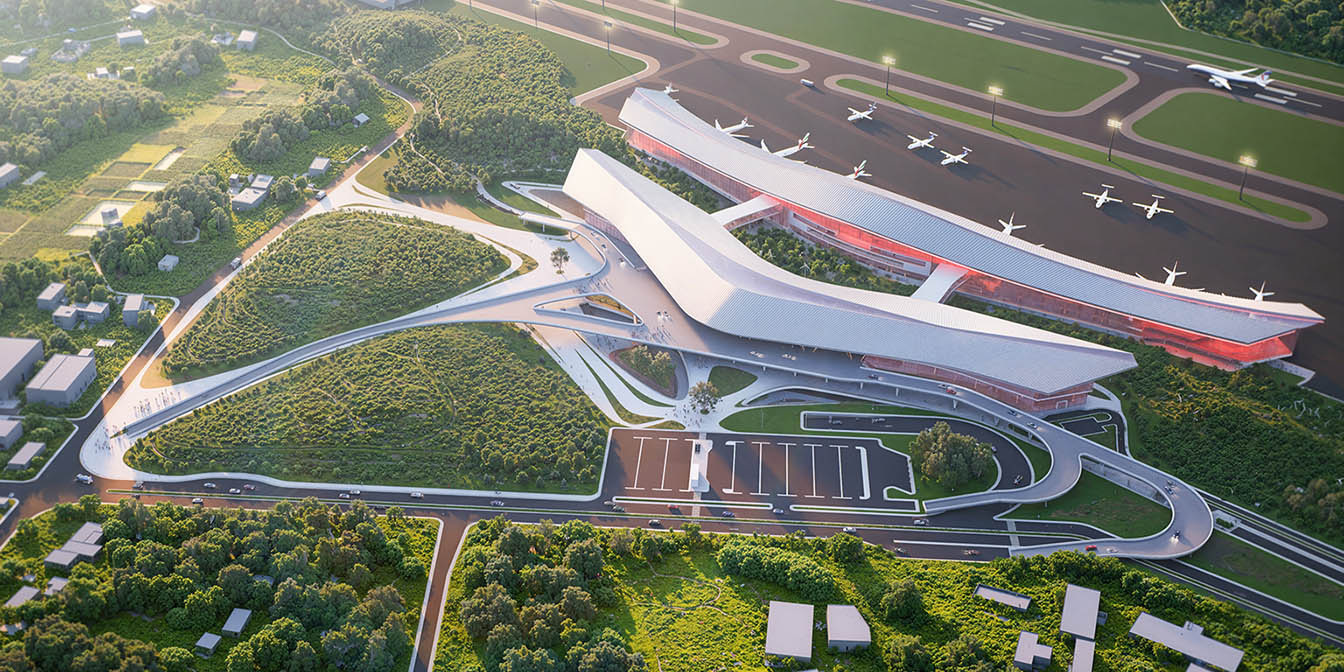
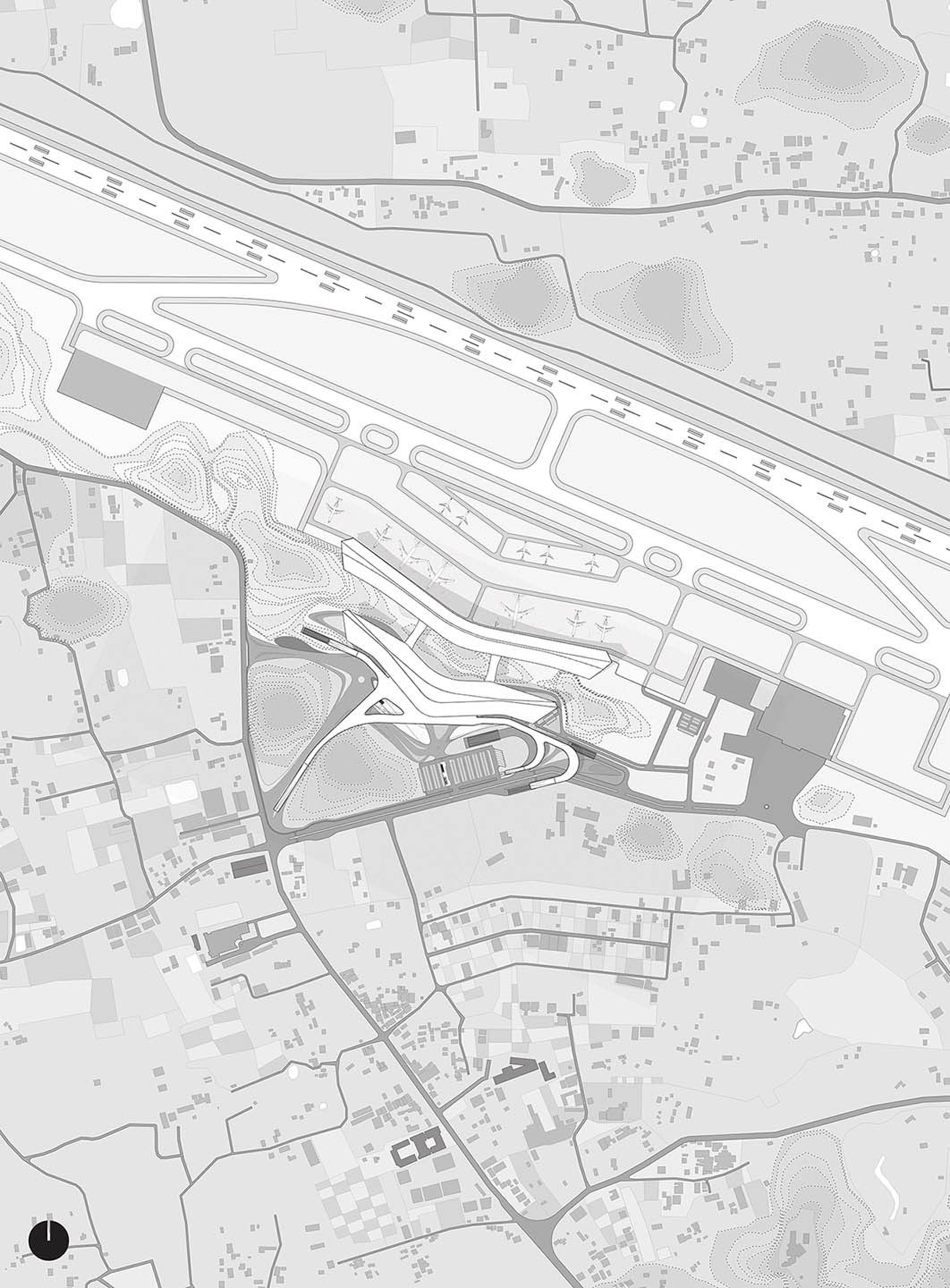
“What do we generally think of an airport? Is it a space for transition, or a space for public interaction? Why not both?” These questions led to the main goal of the project; to utilize the demand for enabling public access to the terminal and design a proper functioning airport terminal that would also cater to the general public to allow them to enjoy a generally controlled space. The idea was to think of the building as an airport and a park. This idea was achieved through the philosophy of Osmosis; when translated to architecture; acts as a piece of construction that allows for controlled movement. Additionally, the project seeks to revive the site's lost hillocks by incorporating tea gardens into the new artificial landscape. These gardens, rooted in Sylhet’s cultural identity, serve two purposes; offering scenic public spaces and generating additional revenue for the airport. As tea gardens are a major attraction in Sylhet, these tea gardens in combination with the airport will become a huge point of interest for tourists as well as locals.
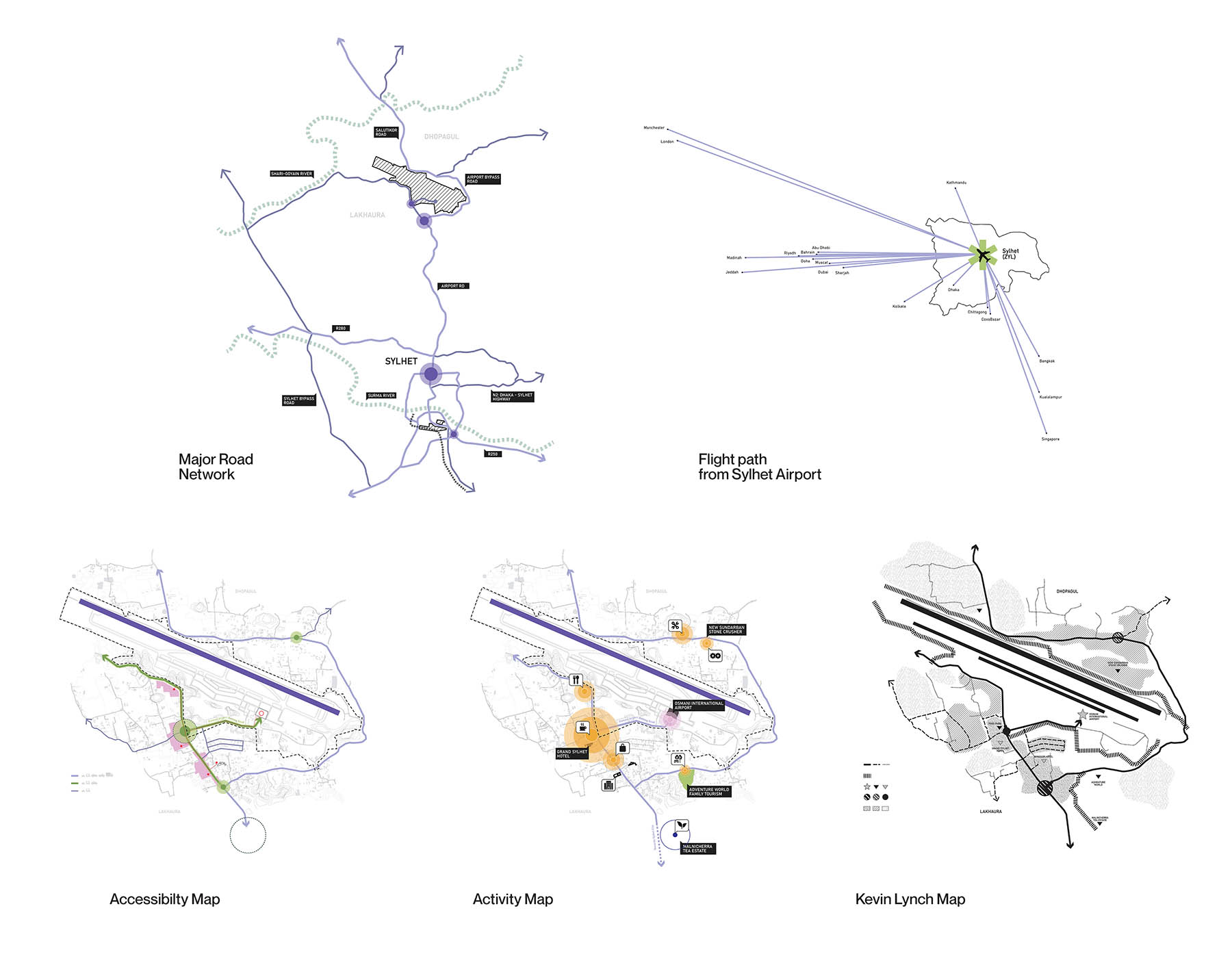
Study © Muhaimin Islam | BRACU
Form and Structure:
The terminal’s architectural form draws directly from the undulating terrain of the surrounding tilas. A super-roof with standing seam metal cladding and steel trusses mimics the organic rise and fall of the land. Tree-like structural columns, inspired by Sylhet’s rich heritage with tea and tea cultivation, define the building’s skeletal system—merging symbolism with functionality.
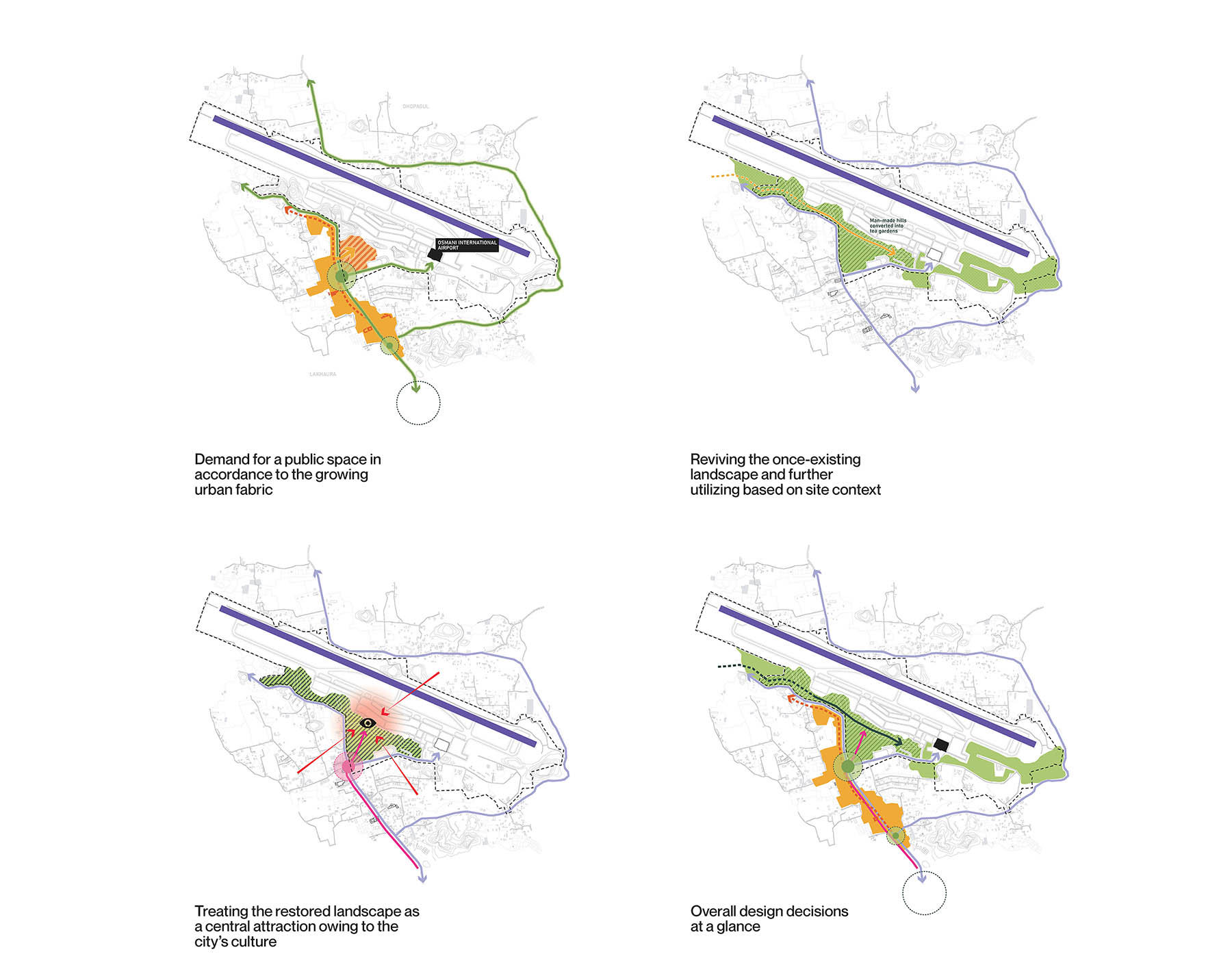
Design Decisions © Muhaimin Islam | BRACU
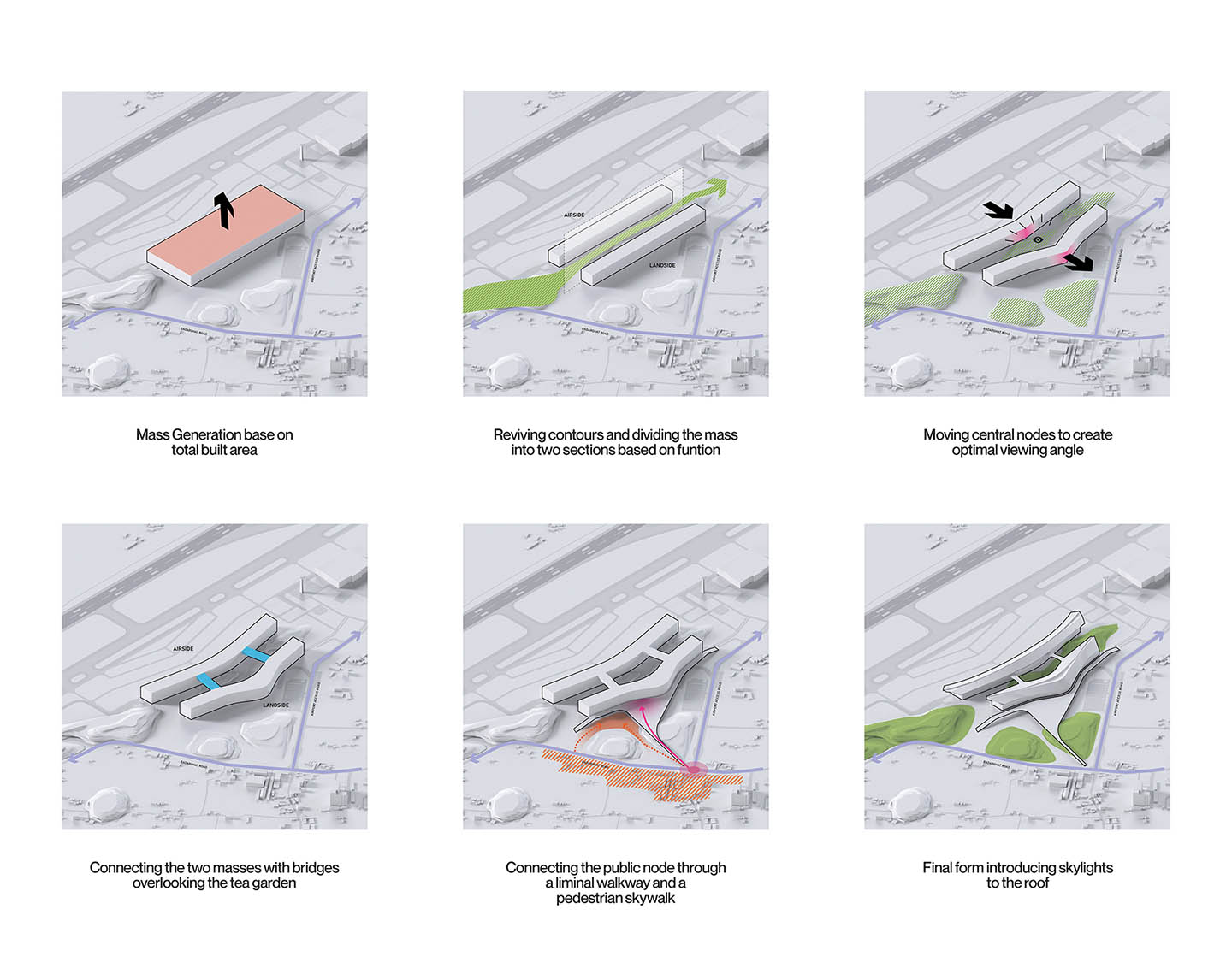
Form Generation © Muhaimin Islam | BRACU
Plan:
The Ground level at 0’ features mainly the public accessible area (aka the retail space) and the VIP area on the landside alongside the necessary baggage carousels & storage, remote drop-off and boarding halls, and maintenance areas on the airside. On this level the general public movement and relation with the existing context at the entrance node of the complex have been focused. Pedestrian movement and walkability were the main focus when designing the building and its landscape allowing for seamless and controlled access to the terminal building and also the open-to-all spaces of the airport.
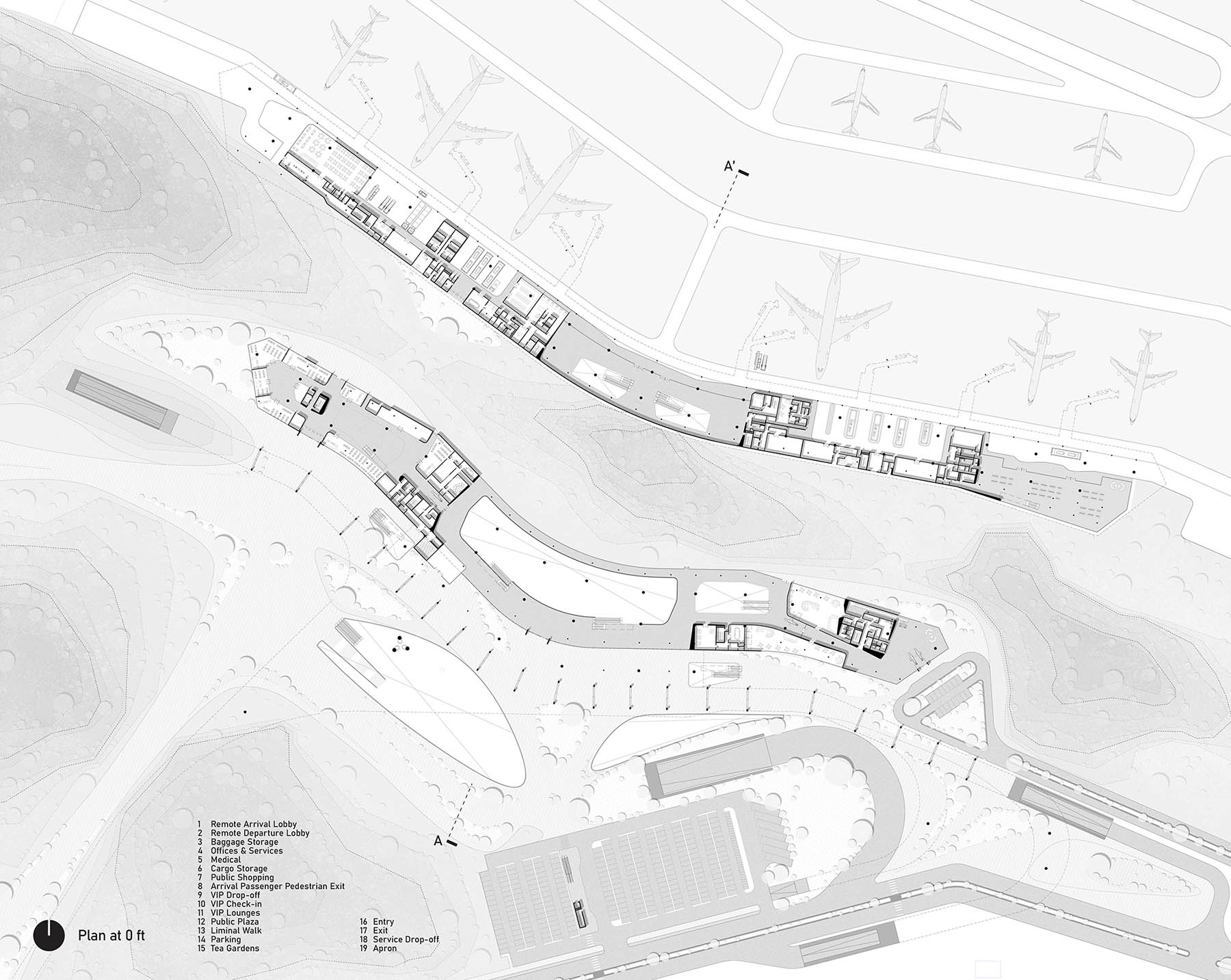
Ground Floor Plan © Muhaimin Islam | BRACU
The Basement level or -20’ cuts through the ground under an artificial hillock converted into a tea garden and features the immigration hall, access from the arrival hall, baggage claim area, customs and other necessary amenities and services. Once the building has been exited, passengers are greeted to the huge sunken courtyard space that acts as the official meet & greet area with multiple retail and amenities allowing for public interaction and recreation.
The First floor or +15’ features the main Arrival Hall and other necessary amenities. Passengers are greeted with a multi-tiered lobby space that overlooks the tea gardens and includes rest zones and indoor Zen gardens.
The Second floor or +30’ is the floor where passengers begin their journey for departure. This floor features the check-in areas, lounge spaces and other amenities on the landside. And the main departure hall area on the airside. This floor is also directly connected to the main entrance node of the site through a pedestrian skywalk further enabling general public movement and accessibility. The immigration booths on the Third Floors or +45' are directly accessible from the second floor. The third floor features two bridges which overlook the central tea garden spine and connect the landside to the airside.
To conclude, the project aims to rethink an airport by enabling public accessibility within the building, and has been designed with an emphasis on the contextual forces allowing the building to harmoniously blend with its surroundings, despite it being a massive construction. The design’s plan and zoning ensure smooth circulation and movement within the building, all the while maintaining necessary control and public accessibility. Airports shouldn’t just be restricted to a manual and should be spaces that blend with the city, inherit its identity and cater to its intended audience the people.
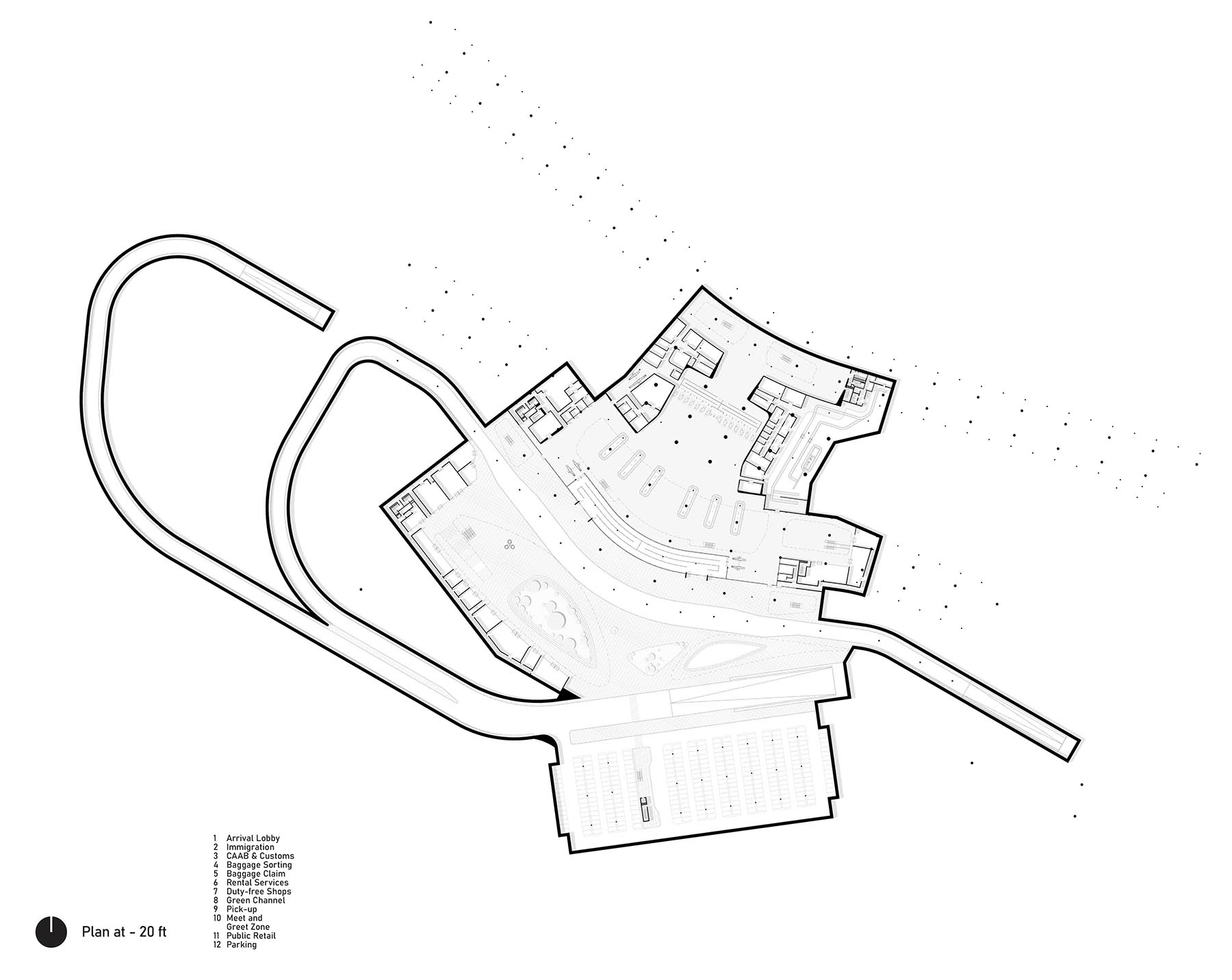
Basement Floor Plan © Muhaimin Islam | BRACU
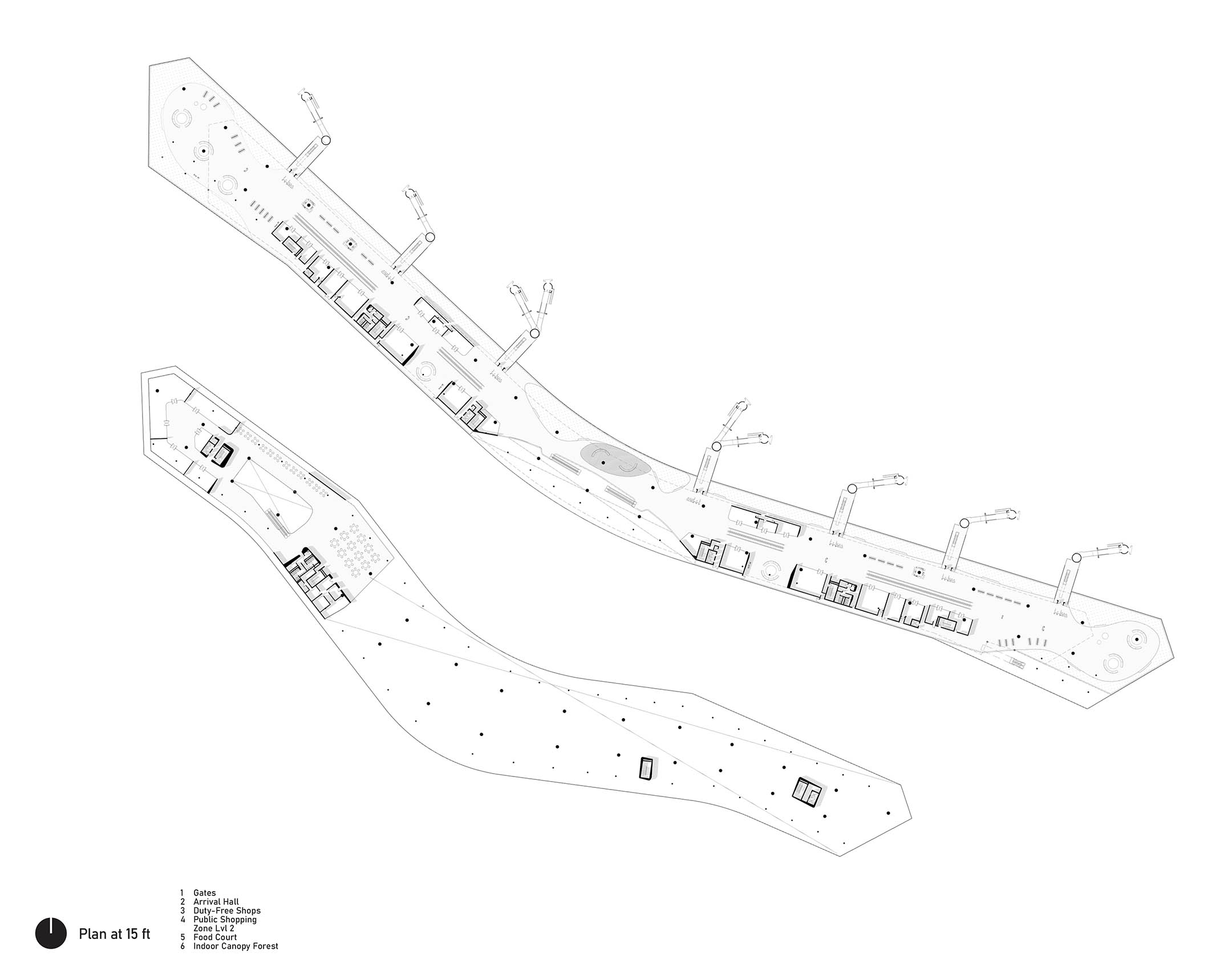
First Floor Plan © Muhaimin Islam | BRACU
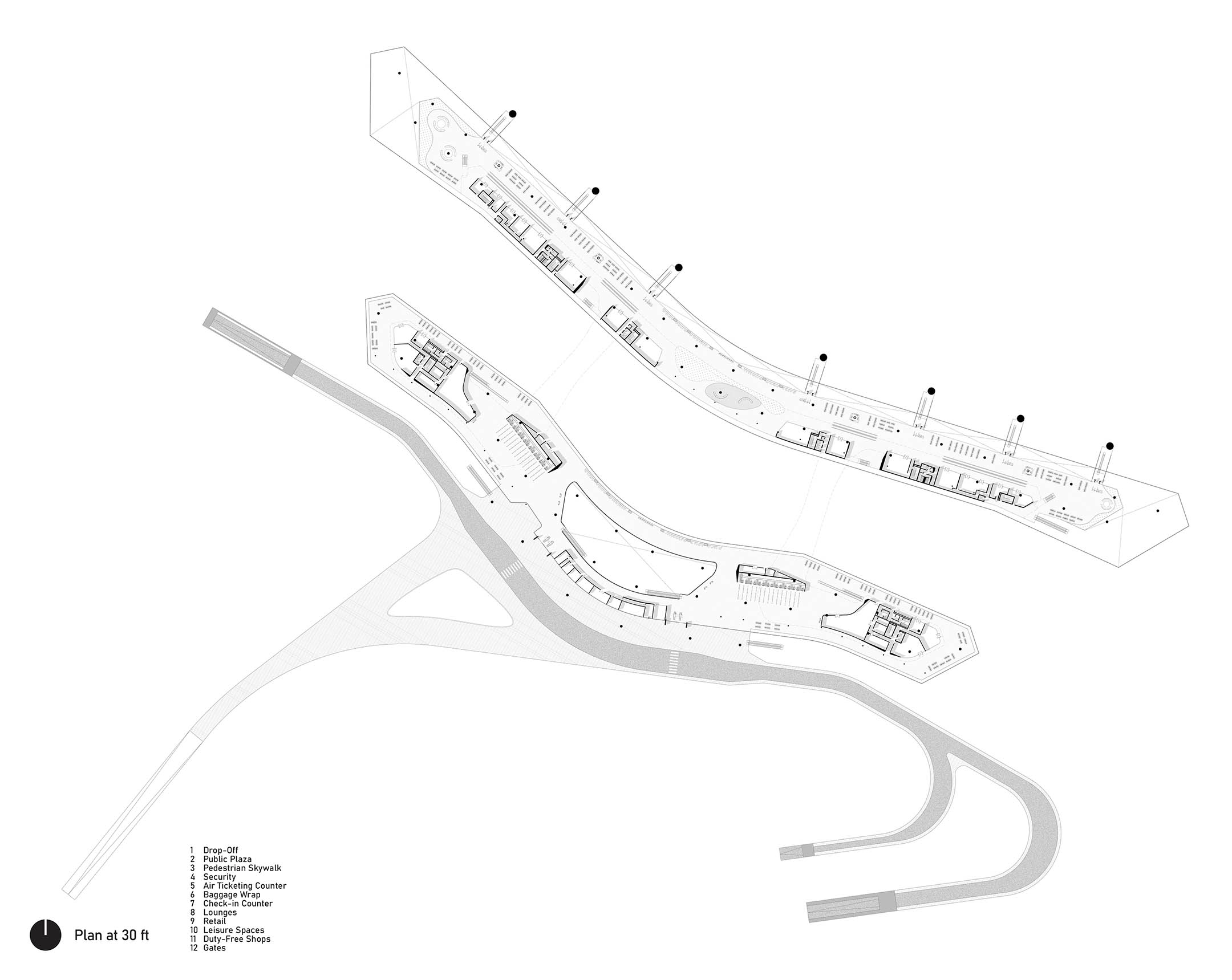
Second Floor Plan © Muhaimin Islam | BRACU
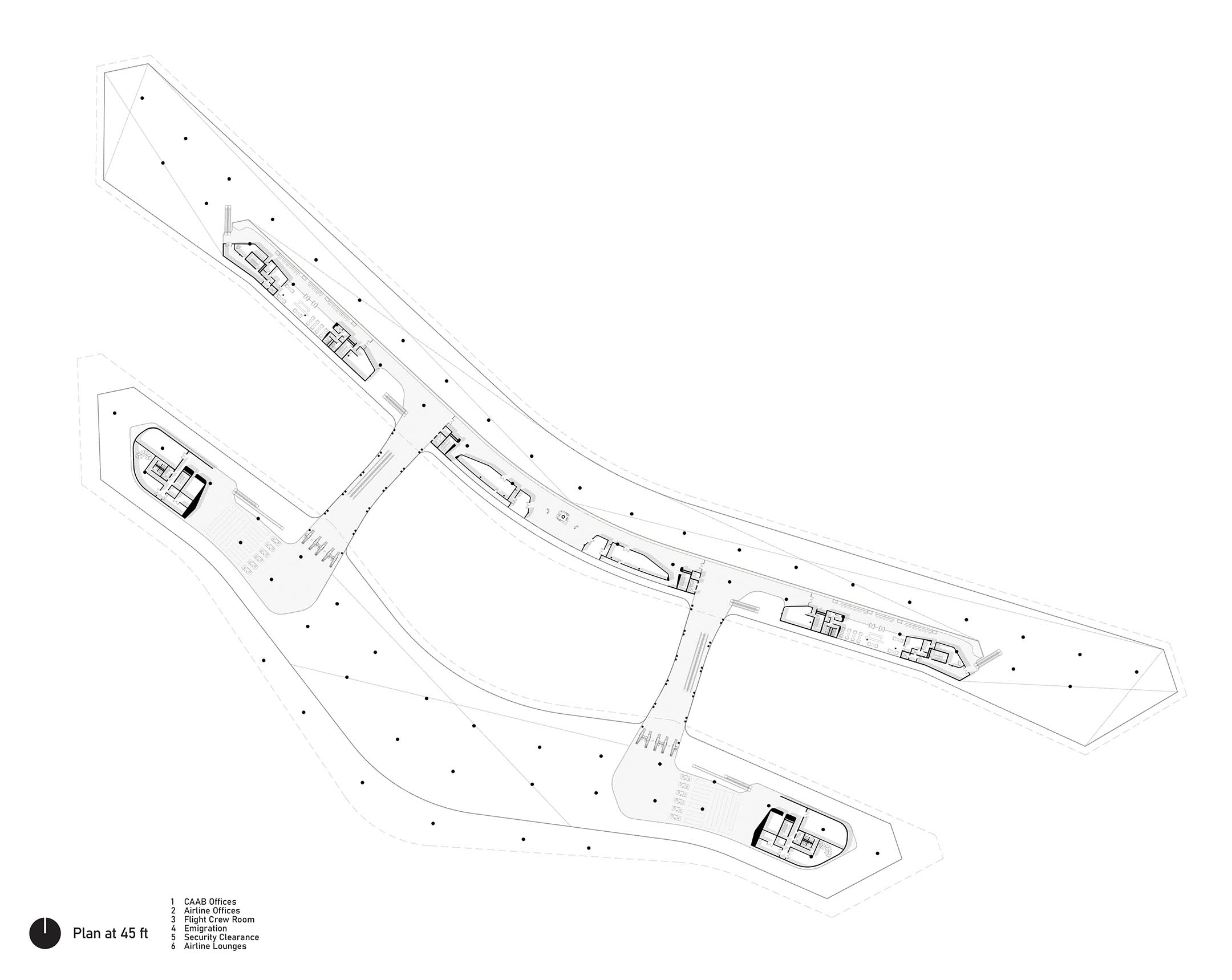
Third Floor Plan © Muhaimin Islam | BRACU
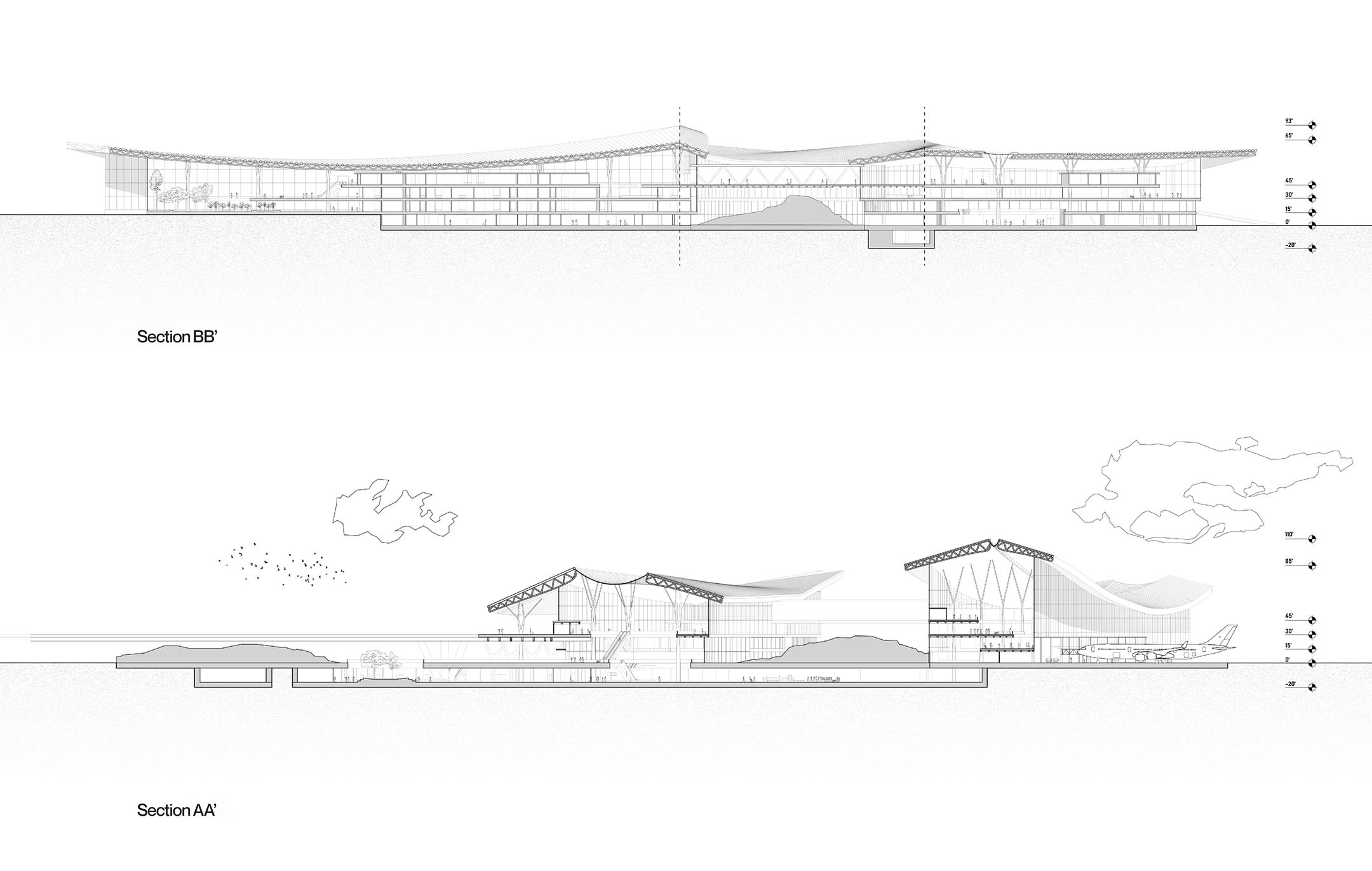
Sections © Muhaimin Islam | BRACU
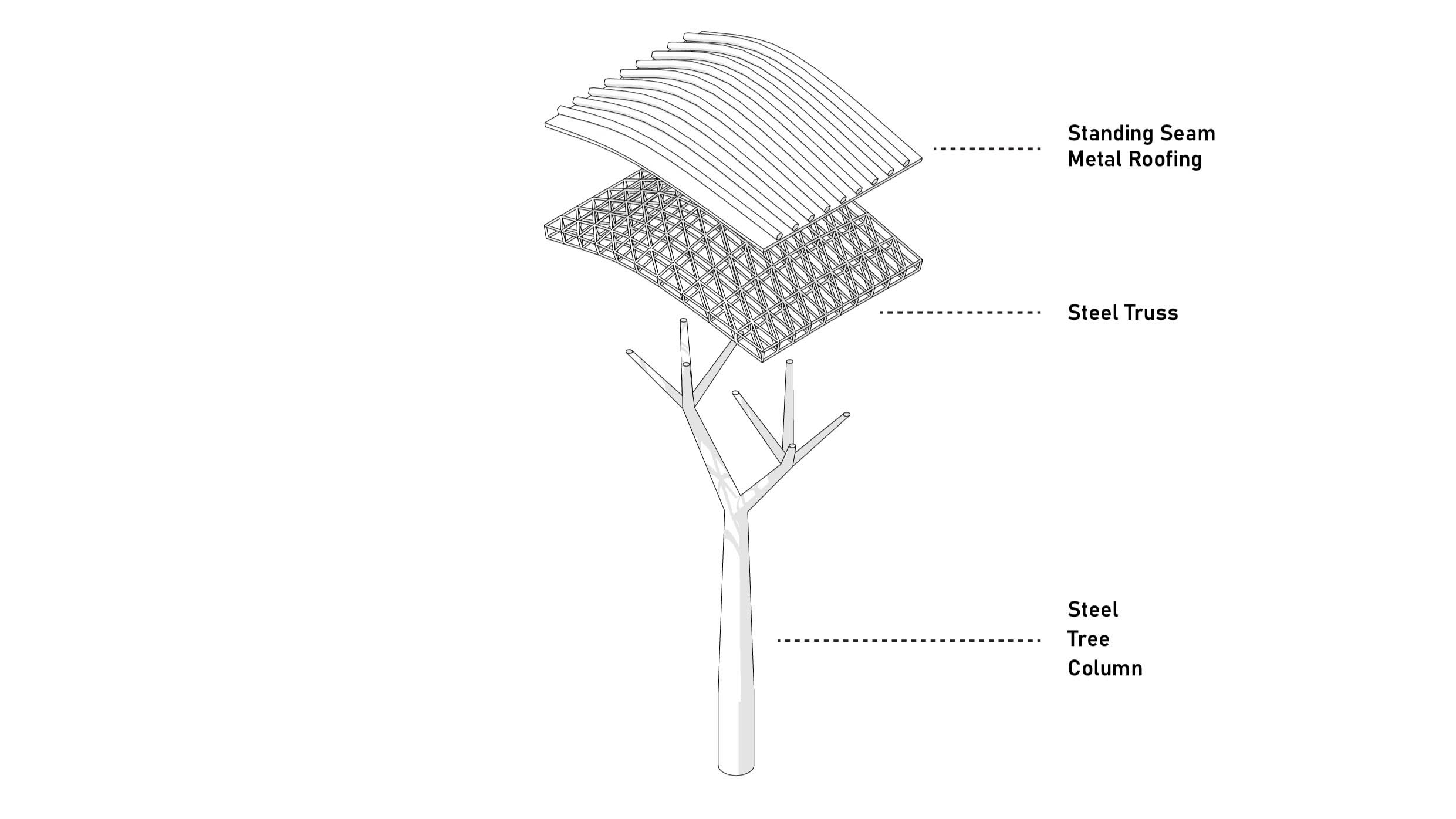
Steel Tree Column © Muhaimin Islam | BRACU
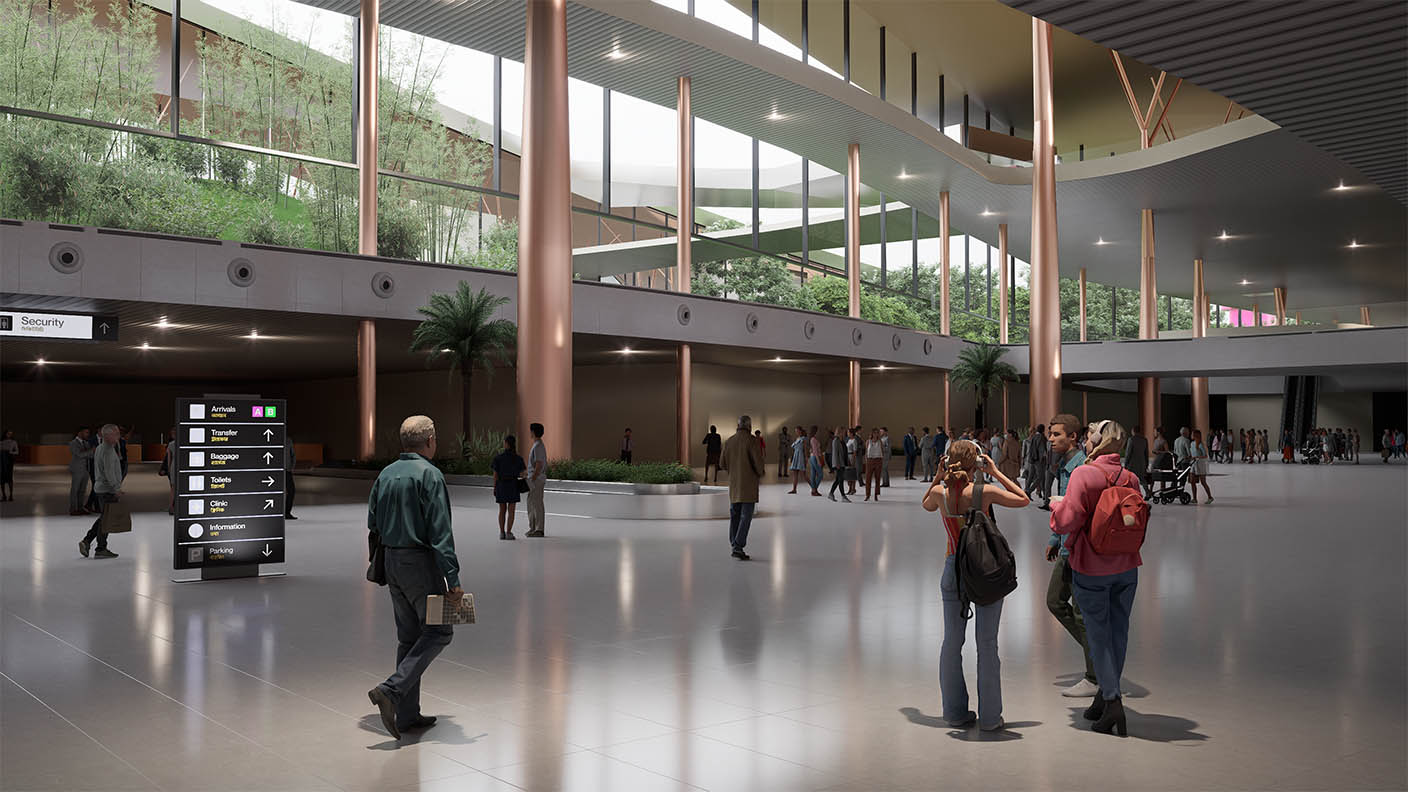
Baggage Claim © Muhaimin Islam | BRACU
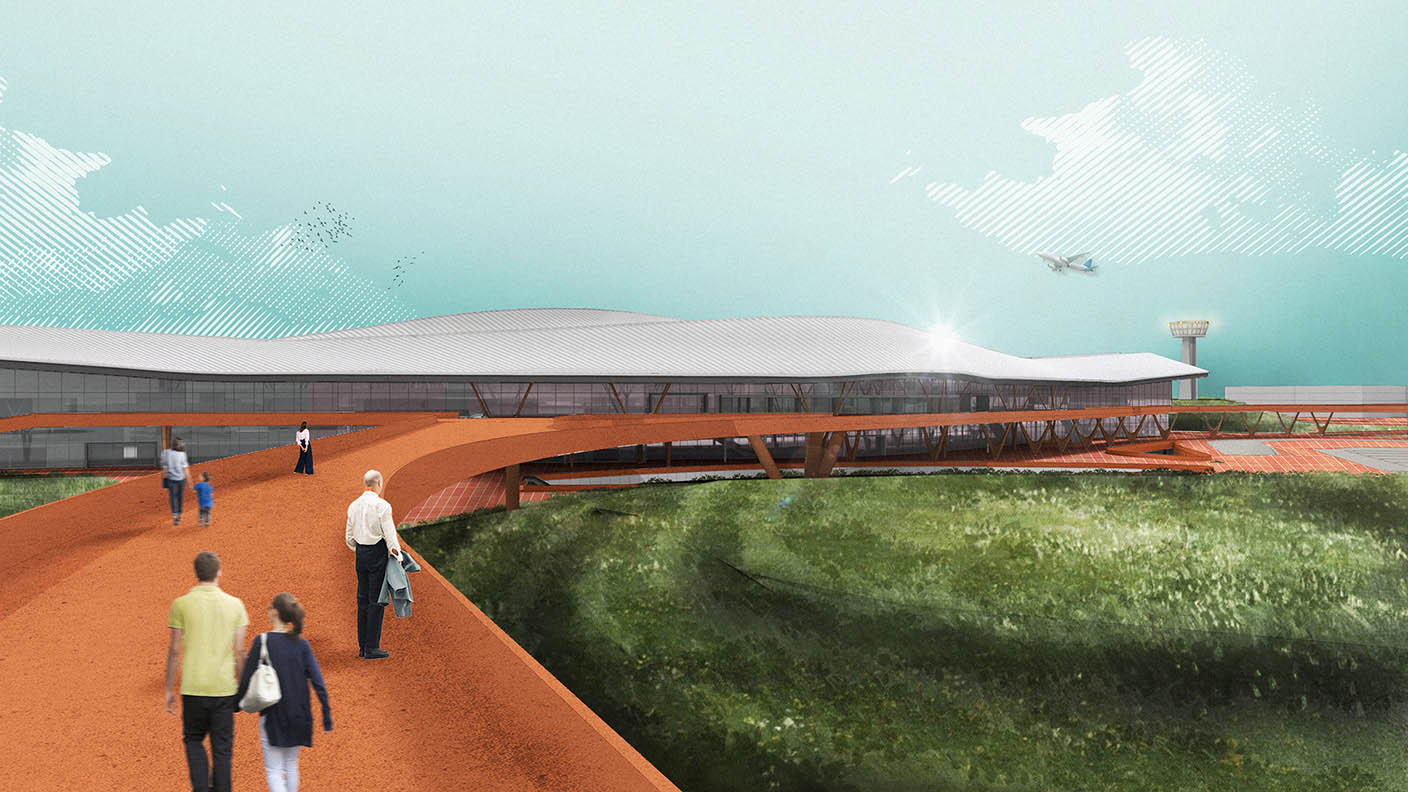
Pedestrian Skywalk © Muhaimin Islam | BRACU
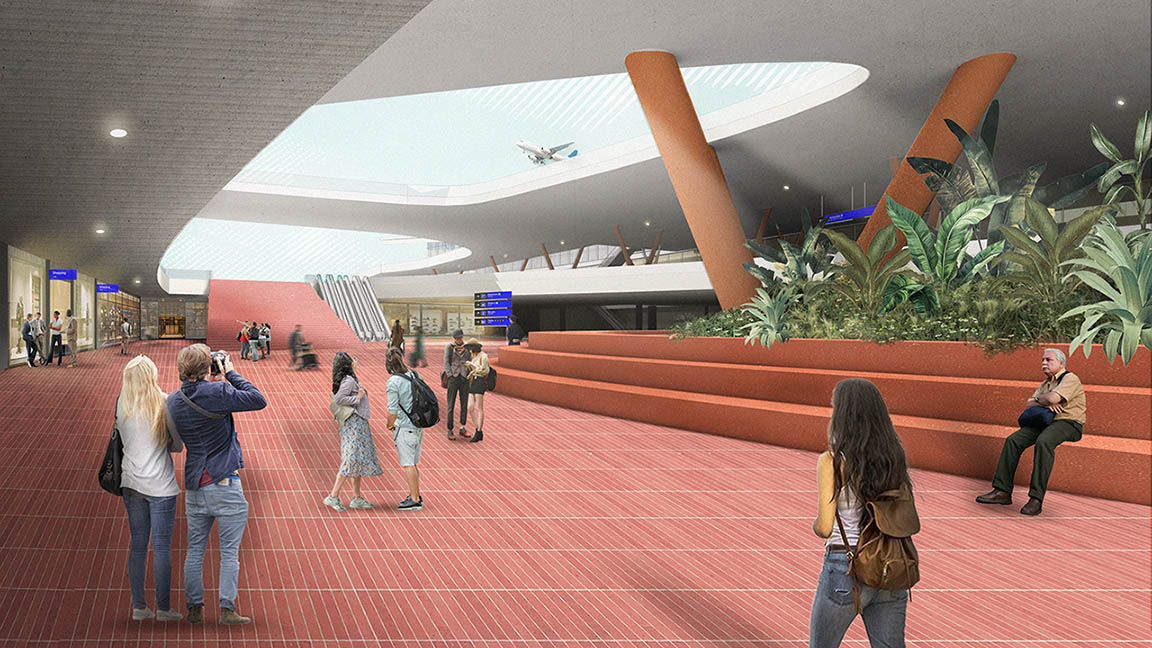
Meet Greet © Muhaimin Islam | BRACU
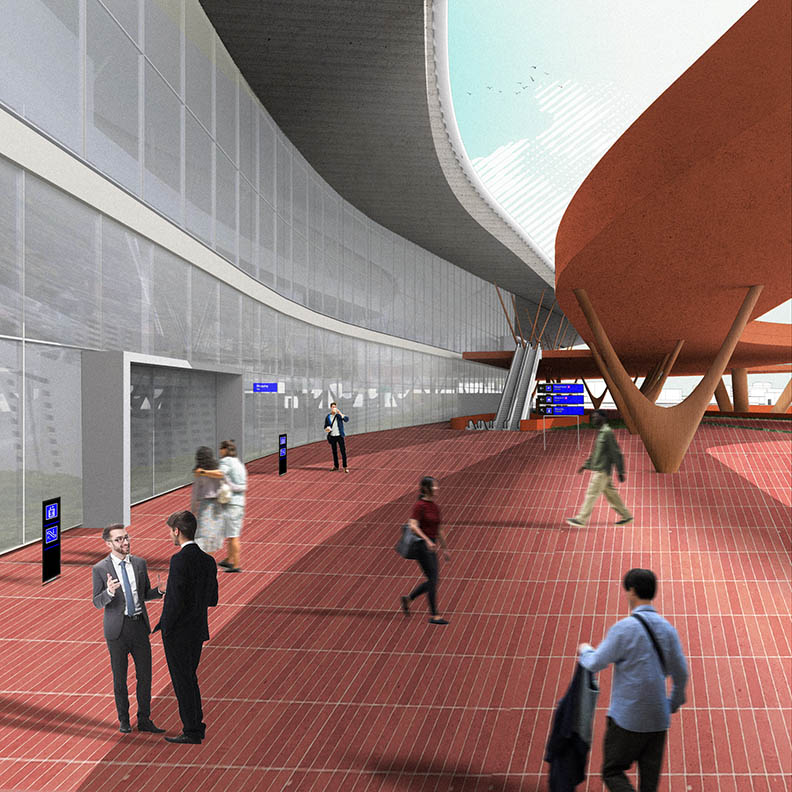
Public Square © Muhaimin Islam | BRACU
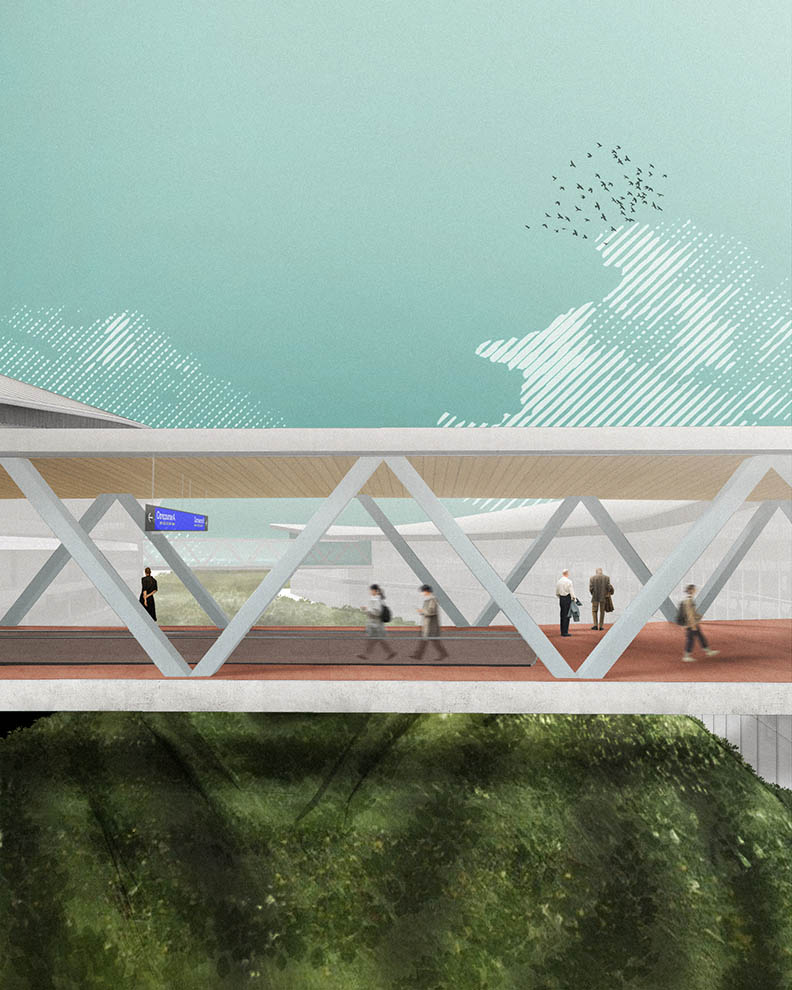
Sky Bridge © Muhaimin Islam | BRACU
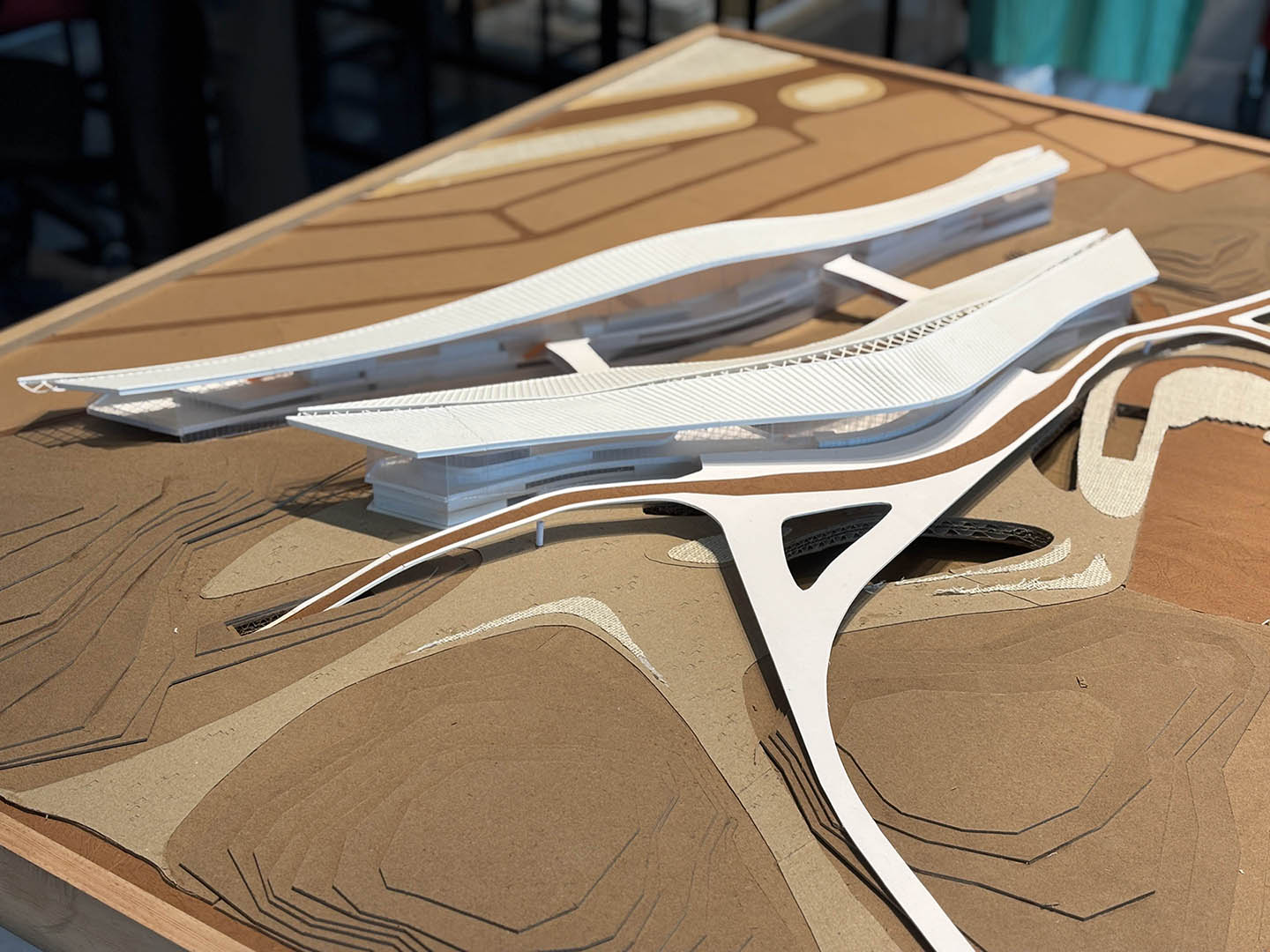
Main Model © Muhaimin Islam | BRACU
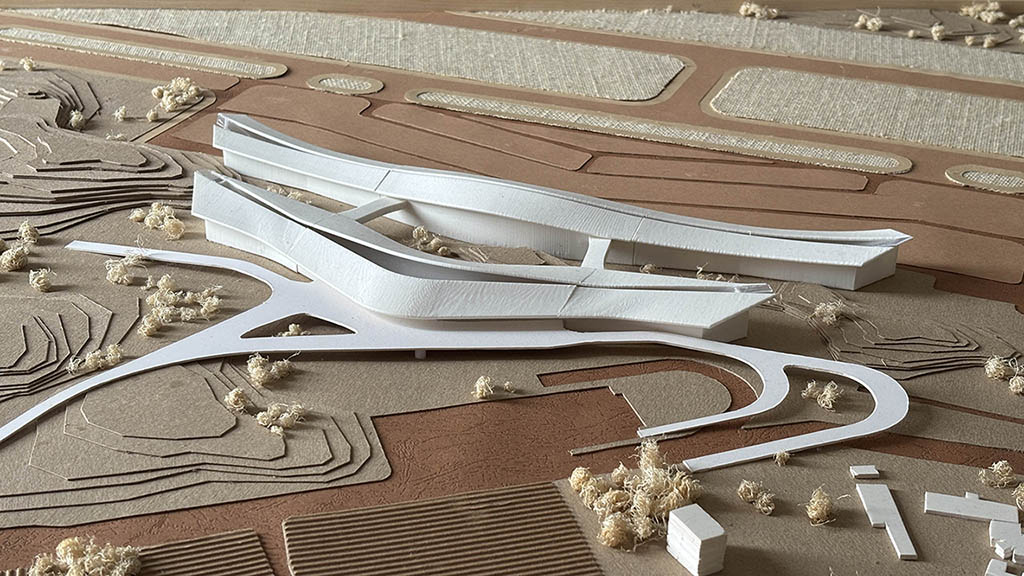
Site Model © Muhaimin Islam | BRACU
SIMILAR POST
Vasat Vita Office and Residence
Text description provided by architect …
Touch, Feel, Heal: A New Paradigm for Sensory Therapeutic Hospital Design in Bangladesh
The inspiration for this hospital …
A Journey Beneath the Surface: An Oceanarium Complex, Sonadia Island
Sonadia Island is a small …
Exploring to the Deep: An Oceanarium Complex
Project Introduction: In August 2010, …
RECENT UPDATES
Vasat Vita Office and Residence
13 December, 2025
Exploring to the Deep: An Oceanarium Complex
08 May, 2025
MOST VISITED
Touch, Feel, Heal: A New Paradigm for Sensory Therapeutic Hospital Design in Bangladesh
25 August, 2025 || Total views: 3724
Exploring to the Deep: An Oceanarium Complex
08 May, 2025 || Total views: 3384
A Journey Beneath the Surface: An Oceanarium Complex, Sonadia Island
28 June, 2025 || Total views: 3004
Reviving The Traditional Trade Culture of Khatunganj, Chattogram
20 February, 2025 || Total views: 2734